I wanted to write about this on my space newsletter but that seems to be in limbo. Hence, I am writing here.
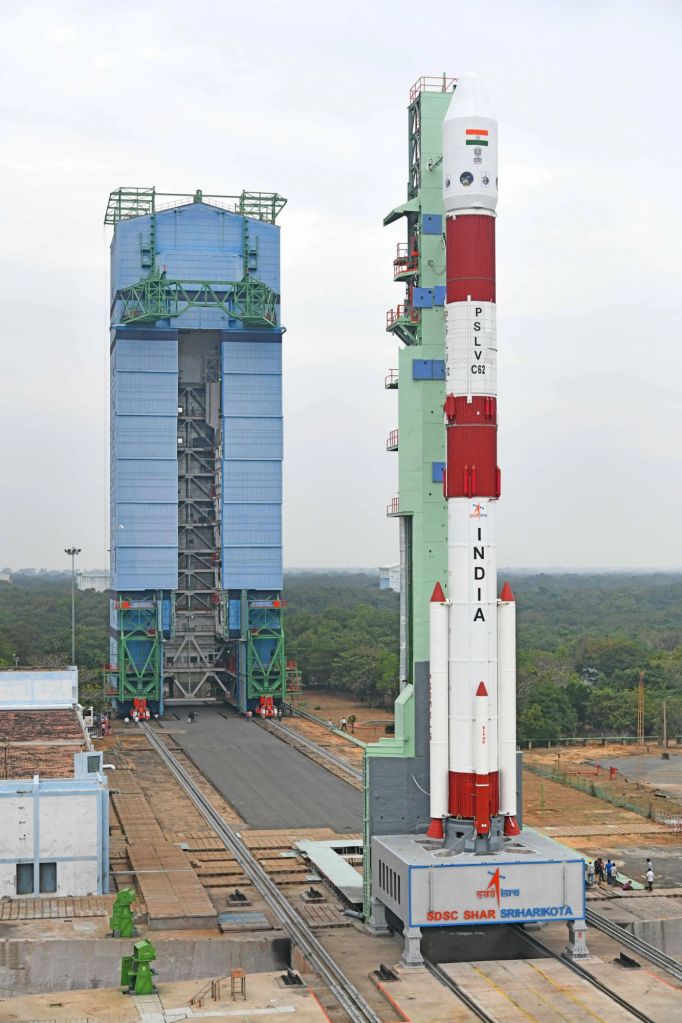
The launch took place on 12 January 2026 at 10:17 AM IST carrying Anvesha/EOS-N1 and multiple rideshare satellites from private space startups, academia, and international customers. The vehicle failed to reach orbit and ended in the Southern Indian Ocean.
I did not watch the mission because I was at work. I assumed that the last failure that the PSLV faced was a minor hiccup. I assumed that the PSLV would be back to putting satellites into orbit. But, after the failure, speculation was rife on social media and in the print media with everything from sabotage to calls for sacking the ISRO Chairman.
The above reply by @SolidBoosters2 suggesting that our intelligence agencies must be closed if this was sabotage is the best answer the people suggesting sabotage. I think the current ISRO Chairman should stay and lead the transition from solid fuel to liquid fuel launch vehicles which we are doing from PSLV, GSLV, and LVM3 to NGLV, given his experience with LPSC.
Things started going awry to the end of the third stage flight of the PSLV-C62. People spotted the tumbling PSLV on screens in mission control before the webcast went offline. One of the next PSLV flight would have been that of the industry built PSLV.
From some of the evidence I saw, I think the the failure seems to be originating in the attitude control system.
One of the payloads on the PSLV was the Kestrel Initial Technology Demonstration (KID), which transmitted data for 190 seconds after separating from the PSLV at speeds over Mach 20, withstanding 28g loads and temperatures of 300 to 350 degrees Celsius. The KID maintained its payload at 85 degrees Celsius and its instruments measured accelerations of up to 30g, likely enduring up to 35g. Despite being a failed mission, they achieved 4 out of 5 technological milestones, which was a positive outcome.
There were also a lot of questions about insurance taken by the startups in the private sector. There were calls for NSIL to pay the companies for the loss of payload. I think it was the companies responsibility to get insurance to protect against the financial loss. There are concerns that payload below certain payload weights are difficult to insure.
The Failure Analysis Committee’s report on the failure of the PSLV-C61 are yet to be disclosed. It is expected that a similar fate awaits the FAC report for the PSLV-C62 as well. There are rumours that ISRO had changed the nozzle throat material from graphite to a 4D carbon-carbon. There are rumours that there were 7 Mission Readiness Reviews (MRRs) and even a test of the third stage of the PSLV which had also failed in the PSLV-C61 mission.
I wish they follow the example laid down by Japan in terms of transparency. I didn’t have a useful, shareable link for the JAXA story. @SolidBoosters2 mentioned above does a good job with the story.
I hope the issues with the PSLV can be fixed and it can return to flying missions again for ISRO very soon.
 Parallel Spirals